
Vdip2 – Fault Localization on MV Using Measurements on the LV Side in Distribution Transformer Stations
PRODUCTS AND SOLUTIONS FOR MONITORING AND CONTROL IN THE POWER INDUSTRY
Vdip2 System
What is it used for?
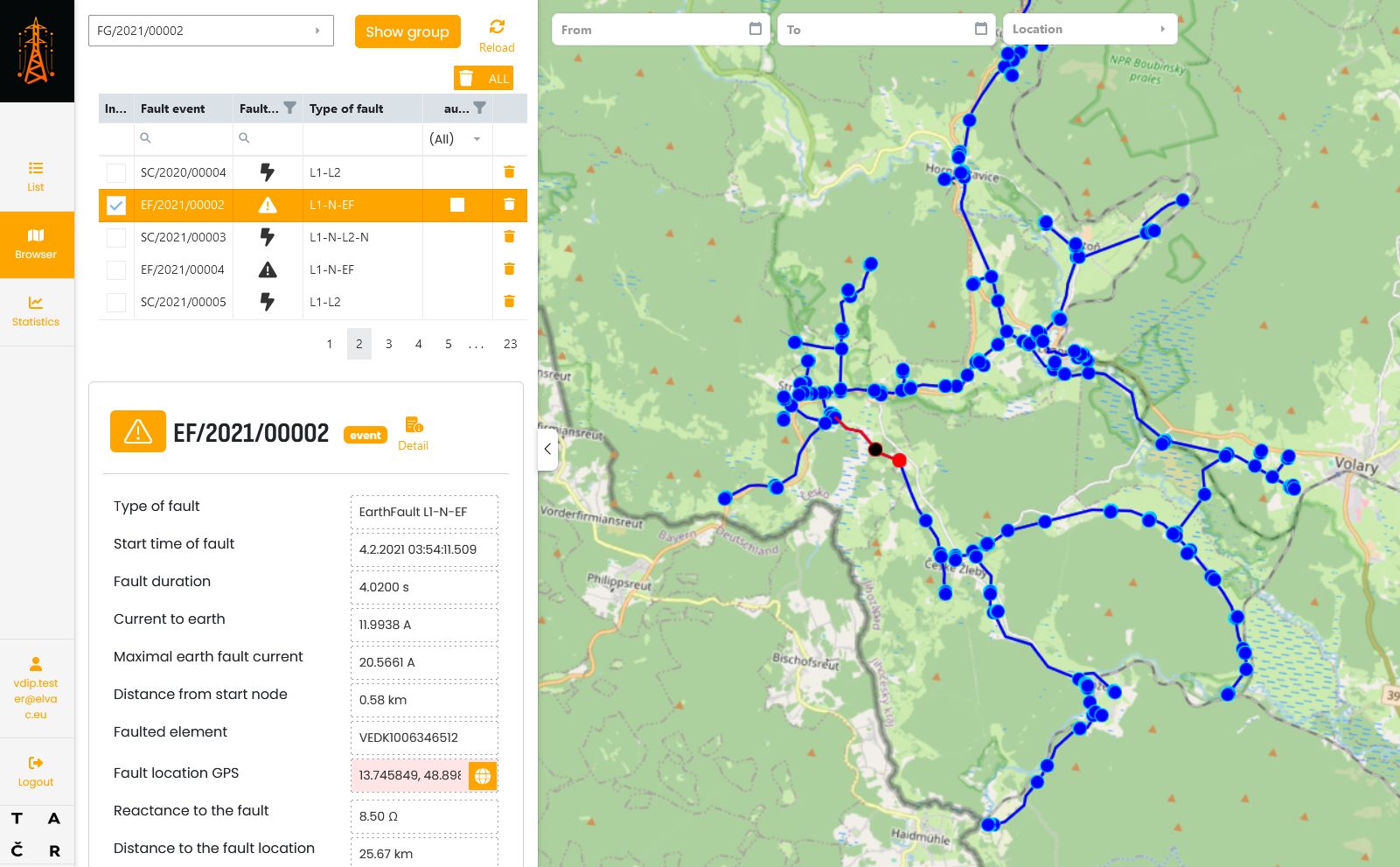
- Immediate fault location in compensated MV networks
- Utilizes fault records from MV feeder protection at primary substations and measurements on the LV side of distribution transformers in the grid (possible further use of already installed hardware, or sharing newly acquired hardware for multiple purposes)
- The main benefit is direct localization of earth faults
- Also determines the location and type of short circuits
- Displays the fault location directly in map or sends GPS coordinates to the SCADA/DMS system
How does the system work?
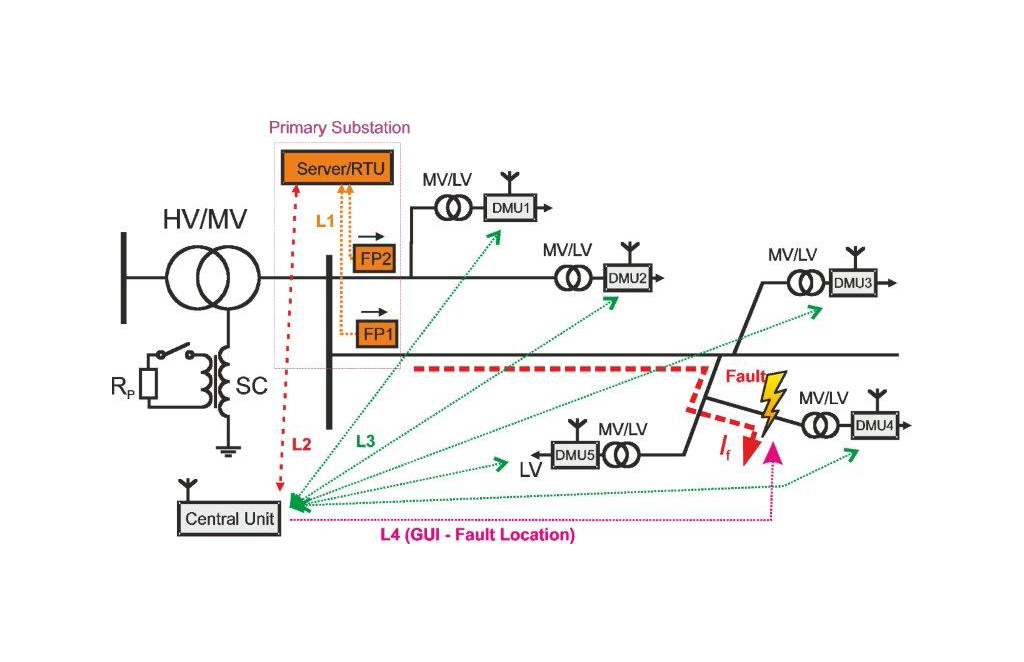
- The MV feeder protection at the substation detects the fault and sends a signal and a fault record.
- The Vdip system requests a voltage waveform record from the time of the fault from Distributed Measuring Units (DMUs) installed at selected distribution transformer stations (DTSs).
- All records are processed by the Vdip system, and the fault-location algorithm identifies the most probable node in the network and the distance from this point where the fault is located.
- Using data from the GIS system, the fault location on the MV line is also converted directly into map coordinates.
What do you need to have or purchase?
- Feeder protection relay (for each MV feeder in primary substation) capable of creating a fault record, with a communication link to the Vdip system.
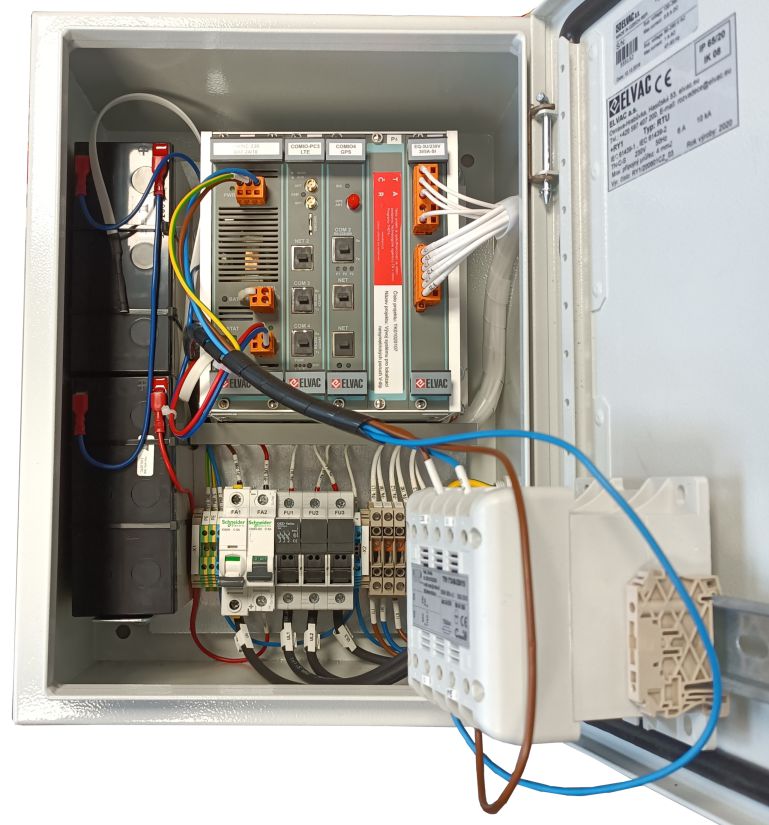
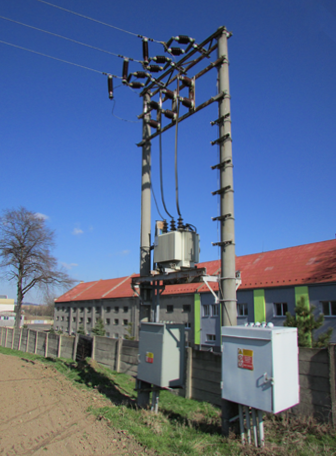
- DMUs at least at selected distribution transformer stations (DTSs) in the part of the grid supplied by the respective MV feeder – the data source for Vdip can be any measuring device capable of sampling instantaneous voltage values on the LV side of the distribution transformer, storing them in a circular buffer, and sending them to the control center upon request. In practice, a power quality meter (LVM, PQM) combined with a communication unit equipped with a mobile data modem would be the most common setup. This set works for its primary purpose as well, so already installed devices can also be used (shared) after a firmware upgrade.
- A server for the Vdip control center (MS Windows OS; hardware parameters depend on the number of MV feeders served).
- Topological and technical data required to create an electrical model of the relevant part of the distribution grid (usually available in the existing GIS, SCADA, or DMS systems).
- A Vdip system license covering the specific scope of the application.
What are the approximate costs?
- Feeder protections and their data connection – assumed to be already installed.
- Costs for a firmware upgrade of power quality meters and communication units previously installed independently of the Vdip system, or a share of the costs of newly installed PQM/DMU devices, assuming that one hardware platform is used simultaneously for multiple purposes.
- Server hardware for the Vdip control center (it can also be operated as a virtual machine on existing infrastructure), MS Windows Server OS, database typically PostgreSQL (free), but it can also run on MS SQL.
- The Vdip system license for a small deployment covering a few MV feeders of a primary substation (and the corresponding sections of the MV grid with lengths of tens of kilometres) starts at approximately EUR 14,000 per feeder, and with a growing scope of application (thousands of feeders for one customer, or a combination with other ELVAC products), it may decrease to approximately EUR 2,000 per feeder.
What benefits does it bring you?
- Significant reduction of the time required to locate the fault on MV lines.
- Ability to quickly disconnect only the affected section and restore supply to the remaining part of the grid.
- Reduced costs of field-based fault searching.
- Reduced number of switching operations and re-energizing MV feeders into a fault condition = extended equipment lifetime.
- Reduced volume of undelivered energy.
- Mitigation of impacts on SAIDI and SAIFI performance indicators.
- Statistical data on locations with frequent faults = guidance for effective maintenance investments.
- Efficient use of installed equipment for additional purposes = acquisition of a fault localization system under favorable conditions.
More detailed information can be found in the following documents:
Presentation of the Vdip2 system web interface
Play Video